
Dubai Announces Road Closures Near Burj Khalifa Until End of 2026
The Roads and Transport Authority (RTA) in Dubai has announced an imminent massive infrastructure renovation which will affect one of the city’s top tourist spots. The RTA has made a very deliberate decision to close the bus and taxi service road at the Burj Khalifa Dubai Mall Metro Station with immediate effect, to facilitate the...
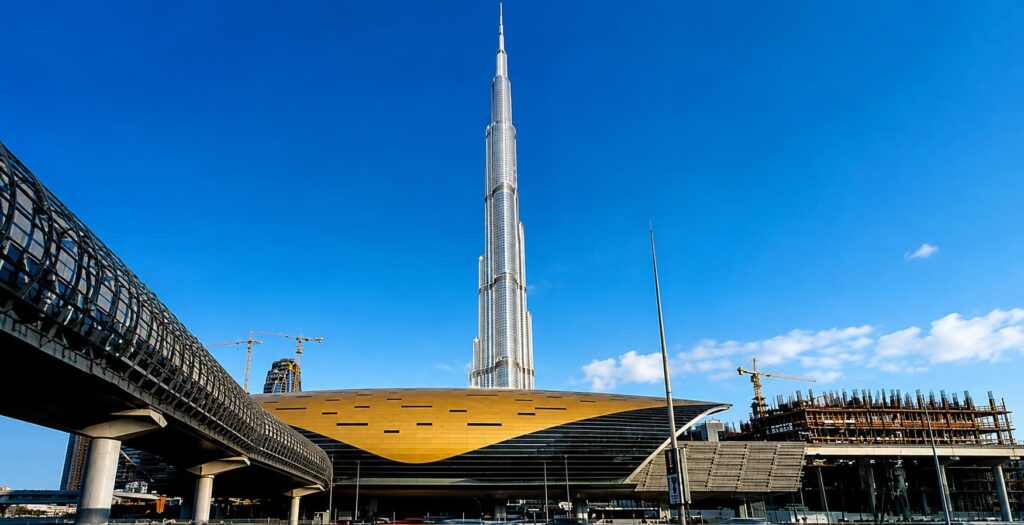
The Roads and Transport Authority (RTA) in Dubai has announced an imminent massive infrastructure renovation which will affect one of the city’s top tourist spots. The RTA has made a very deliberate decision to close the bus and taxi service road at the Burj Khalifa Dubai Mall Metro Station with immediate effect, to facilitate the implementation of large-scale, critical expansion projects. This critical lane limitation, which is expected to remain in place until the end of 2026, will radically disrupt the way commercial traffic passes across this busy stretch of the famed Sheikh Zayed Road. Heavy construction traffic and project equipment will utilise the restricted lane as authorities work around the clock to rapidly upgrade one of the most heavily used passenger interchanges on the Dubai Metro Red Line. The huge enlargement is an essential forward-looking measure to handle the city’s fast-growing residential population and the ever-increasing number of international tourists who flock to the luxurious Downtown district each day.
#RTA informs you of the temporary closure of the bus and taxi service road at Burj Khalifa/Dubai Mall Metro Station until the end of 2026 to facilitate the expansion works.
A comprehensive traffic management plan has been implemented to ensure convenient access for public… pic.twitter.com/FCtQ94tda1— RTA (@rta_dubai) July 4, 2026
Easy access to public transportation
Despite the large and very visible nature of the temporary road closure, the Roads and transit Authority has taken a proactive approach to developing a thorough alternative operations plan to ensure that public transport access is fully functional and highly efficient. Smart construction and integration of a brand-new, dedicated bus layby directly adjacent to the existing transit stop means the popular feeder buses may seamlessly continue their daily runs without fully interfering with the flow of civilian traffic in the neighbourhood. The RTA is essentially mitigating the hazardous logistics conflict between normal passenger traffic and heavy construction access by restricting the affected service route to licensed worksite vehicles. To prevent any unexpected travel disruptions, the transport authority has asked all private vehicles, daily commuters and visiting tourists to be on the lookout, follow the newly installed temporary traffic signs diligently, obey the construction speed limits and plan to leave a lot earlier for any travel within the immediate station area.
The Massive Station Expansion Project
This is a highly significant physical construction phase and the current road closure is considerably bigger and more ambitious than the station expansion project announced in June 2025 via a strategic partnership with Emaar Properties. The official project plans boldly display a substantial expansion of the station’s footprint. The public facility will see a huge increase in total built-up area from 6,700 square metres to a substantial 8,500 square metres. With this tremendous physical development the whole handling capacity of operations is tremendously boosted. Once the significant renovation is completed, the station’s maximum hourly handling capacity will jump from 7,250 passengers to a whopping 12,320 passengers – a jaw-dropping 65% boost in overall efficiency. Also, the daily passenger traffic is expected to be a massive 220,000 people, ensuring that the newly restored station can easily handle the massive crowds drawn to the adjacent mega mall and the tallest tower in the world.
Enhancing the Best Passenger Experience
The developments underway now are not merely about expanding the basic platform waiting area. The Roads and Transport Authority have overhauled the whole passenger experience from top to bottom. The detailed architectural designs will enable a significant increase in the main concourse areas, the installation of numerous high-capacity escalators and heavy-duty elevators, and a prudent separation of the incoming and outgoing passenger flows to fully prevent dangerous bottlenecking during peak transit hours. The ambitious project will also considerably boost the commercial retail areas inside the station walls and also increase the entire fare gate capacity, allowing much speedier electronic ticketing. The exterior entrances, the pedestrian walking bridges connecting them, and the important physical links with other transit options are featured in the official project paperwork. These particular, high-value improvements will significantly enhance interchange performance at a critical location that currently handles some of the largest pedestrian surges in Dubai, especially during significant national holidays and spectacular fireworks displays and international public events.
Driven by record growth in the number of riders
This huge investment in financial and logistical infrastructure is connected to the government’s optimistic forecasts of continued, unprecedented passenger growth up to 2040. Mattar Al Tayer, the RTA’s Director General and Chairman of the Board of Executive Directors said: “The station has an ever-increasing huge demand on major cultural occasions like New Year’s Eve, Eid festivities, national events and public holidays in general. According to official RTA figures, the traffic at this station on New Year’s Eve may occasionally soar to a staggering 110,000 people in a single night. Average annual growth in ridership has been a steady and outstanding 7.5 percent over the last five years. The historical use numbers do a good job of explaining the rising logistical burden on the access routes surrounding the station. From 2013 to 2024, the number of passengers has grown substantially from 6.13 million to over 10.577 million or around 58,000 daily boarding and alighting operations. its enormous, ceaseless traffic congestion pushed the station’s internal circulation and kerbside access into an extremely tight operating window, making its expansion a must for the city’s future.
Getting Around the Downtown Centre Until 2026
The Burj Khalifa Dubai Mall Metro Station is directly located on one of Dubai’s most famous tourist routes, meaning that even a partial road closure will certainly have a big effect on the Downtown district as a whole. Strict construction limitations will be in place for the next eighteen months on regular taxi drop-off procedures, big bus approach movements and general pedestrian routeing around the immediate station perimeter. The practical daily change is very immediate for regular commuters, hospitality workers and locals; structural approaches will definitely take a little longer, kerbside pedestrian congestion will continue to be tighter than usual, and finding the right designated service road will be key, especially during peak rush hours, weekend demand spikes and massive event surges. But this temporary closure safely frees up the essential working room required to build a much larger, more modern station for the wider transportation system. Overall, this short-lived hassle will be worth it with a much more efficient interchange flow, far better integration of buses and taxis and a lot more passenger throughput at an important node that funnels one of Dubai’s largest daily streams of foreign tourists and rail users.


More from Travel
 Travel
5 Ways Emirates is Helping Customers Travel with Confidence in 2026
In an era where global travel plans can change at a moment’s notice, Emirates Airlines is…
 Travel
Emirates Launches Unlimited Free Date Changes for Dubai Flights
In a major, long-awaited step to entirely revamp passenger flexibility, Emirates Airlines has officially announced a…
 Travel
Emirates Student Flight Offers 2026: Discounted Fares & Extra Baggage
Even with the excessive expenses of overseas aircraft travel, student living is notoriously expensive. But luckily…