

Dubai is expected to enter the holy month of Ramadan between February 17 and 19, 2026, subject to moon sighting, bringing a series of citywide schedule changes that will impact daily life for residents. From adjusted Salik toll timings to shorter working hours and revised school schedules, Ramadan traditionally reshapes how the city operates. Eid Al Fitr holidays are also expected to extend for up to three days, depending on official announcements.
Below is a clear breakdown of the most important changes residents should prepare for during Ramadan 2026 in Dubai.
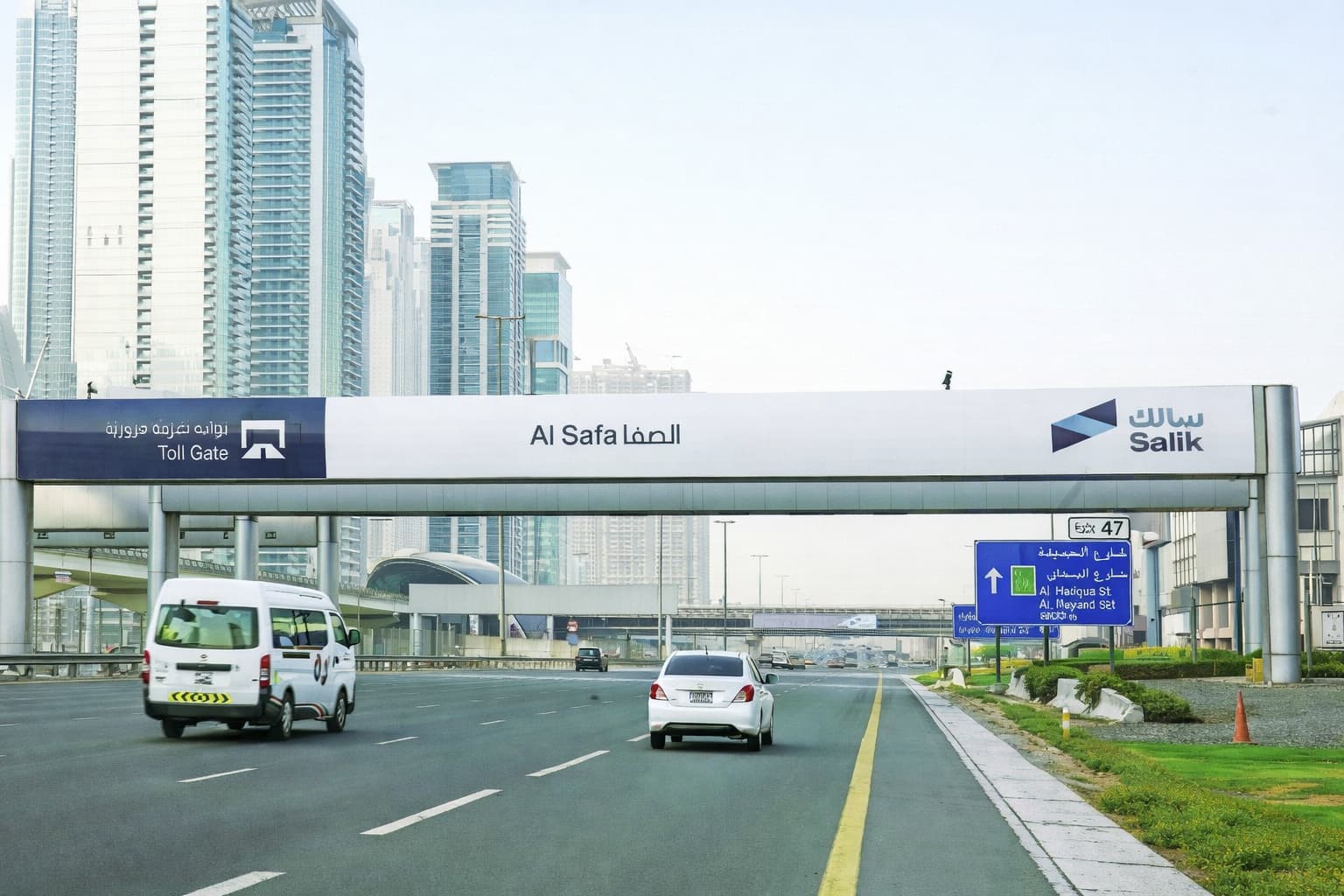
Salik Toll Timings During Ramadan
To align with reduced working hours and late-night Ramadan activity, Salik toll timings are adjusted throughout the holy month. These changes aim to ease congestion during fasting hours while supporting increased nighttime movement for Iftar, Taraweeh, and Suhoor.
Monday to Saturday, Salik charges are set at AED 6 between 9:00 AM and 5:00 PM, while AED 4 applies from 7:00 AM to 9:00 AM and again from 5:00 PM until 2:00 AM. Roads remain toll-free between 2:00 AM and 7:00 AM, making late-night travel more convenient.
On Sundays, Salik operates at a flat AED 4 rate throughout the day, with free passage again available between 2:00 AM and 7:00 AM.
Parking Rules and Paid Timings
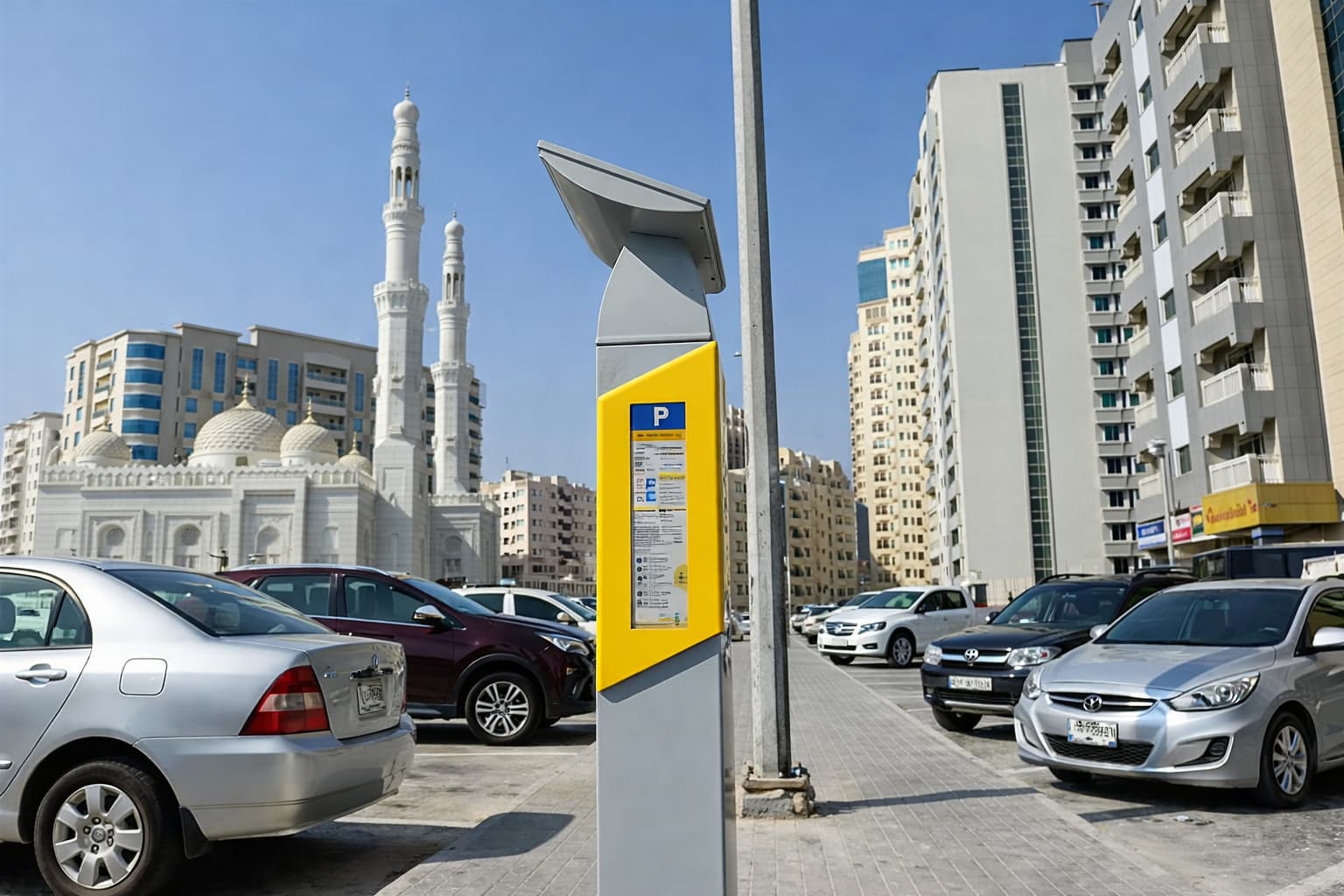
Public parking schedules are typically revised during Ramadan, with final confirmations expected from the Roads and Transport Authority (RTA) and Parkin closer to the start of the month.
Historically, public parking operates in two paid sessions: from 8:00 AM to 6:00 PM, and again from 8:00 PM to 10:00 PM. Parking is usually free during Iftar hours, allowing residents to attend evening gatherings without concern.
Multi-storey parking facilities, however, remain paid 24 hours a day throughout Ramadan.
Reduced Working Hours Across Sectors
One of the most significant changes during Ramadan is the reduction in working hours. For the private sector, employees are entitled to a mandatory two-hour daily reduction, regardless of whether they are fasting.
In the government sector, official working hours are typically set from 9:00 AM to 2:30 PM, Monday to Thursday, while Fridays operate from 9:00 AM to 12:00 noon, allowing time for Juma prayers.

School Timings During Ramadan
Schools across Dubai also adopt shorter schedules during Ramadan. Students attend a maximum of five hours per day, with Fridays usually ending by 11:30 AM to align with prayer timings.
Exact schedules may vary depending on the institution, and parents are advised to confirm final timings directly with their child’s school.

What to Expect Overall
Ramadan in Dubai brings a noticeable shift in rhythm — quieter mornings, relaxed afternoons, and vibrant nights filled with community gatherings and cultural traditions. With adjusted tolls, shorter workdays, and flexible schedules, the city adapts to support both productivity and spiritual reflection throughout the holy month.