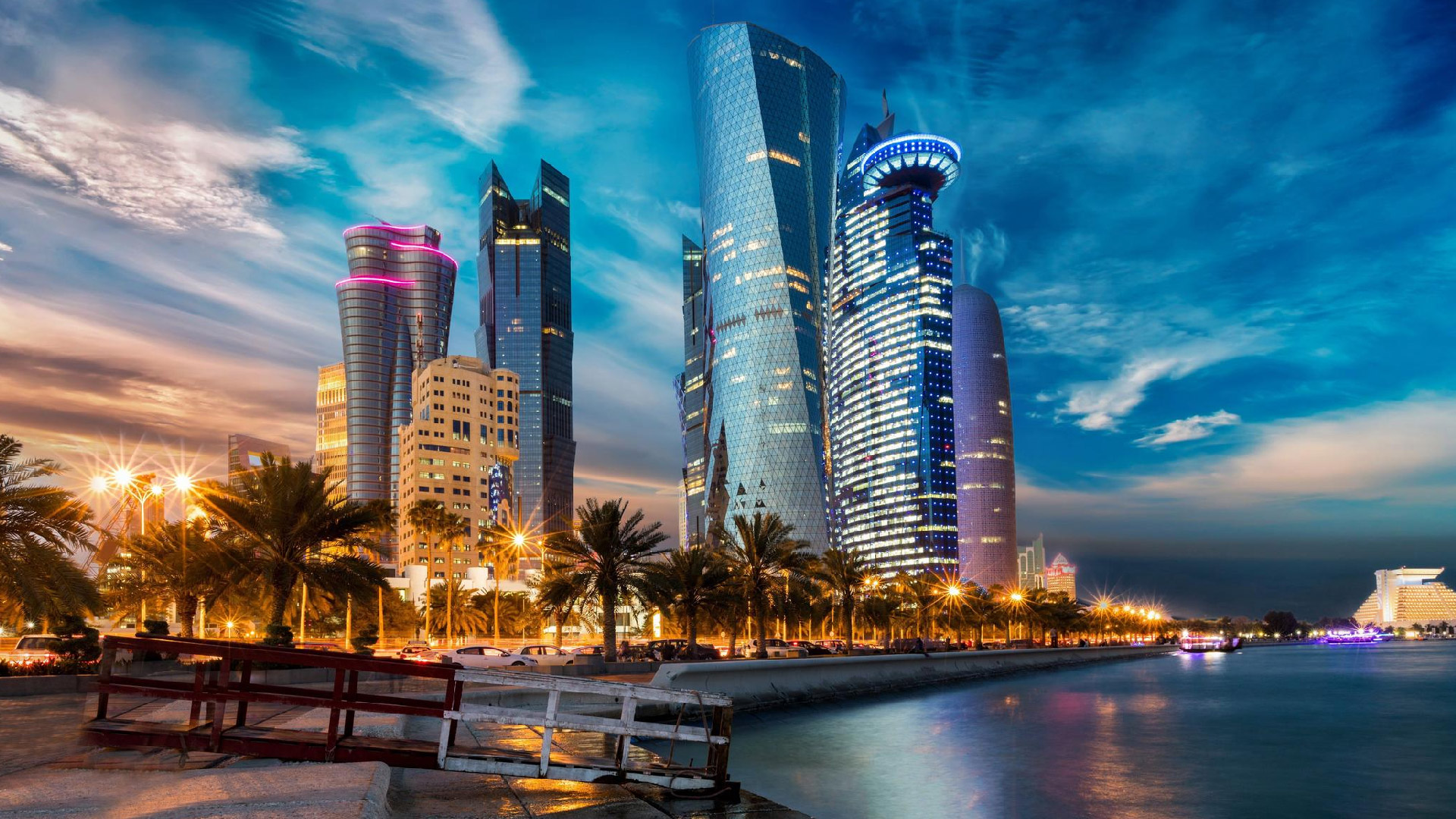
In the global spotlight, Qatar and Dubai are often perceived as rivals — two influential Gulf cities with strong economic ambition, powerful aviation hubs, and rapidly advancing infrastructures.
But the reality is far more strategic.
Today, Qatar and Dubai are deeply interconnected, forming one of the GCC’s most important economic, aviation, tourism, and investment corridors. Their relationship is defined not by rivalry, but by mutual benefit, healthy competition, and shared Gulf identity, driving innovation and growth across the region.
Dubai’s global reach complements Qatar’s economic diversification.
Qatar’s wealth and energy leadership blend with Dubai’s tourism, finance, and connectivity.
Together, they strengthen the GCC’s collective rise.
This article explores how Qatar and Dubai shape each other’s progress — in the sky, in business, in sports, in tourism, and in the evolving Middle East economy.
1. Aviation: One of the Strongest Sky Corridors in the Middle East
The Dubai–Doha air corridor is among the busiest and most important aviation routes in the region.
Dubai Airport (DXB) ⇄ Hamad International Airport (DOH)
Two of the world’s top-ranked airports are connected through:
- Qatar Airways
- Emirates
- Flydubai
- Codeshare and indirect global routes
Why this route matters:
- High passenger demand for tourism, business, events, and transit
- Seamless GCC connectivity
- A strong expatriate community moving between the cities
- Dubai is acting as a transit hub for Qatar travelers going to Asia and Europe
Dubai’s aviation leadership boosts Qatar’s global access, while Doha’s world-class airport strengthens Gulf competitiveness.
Instead of weakening each other, they elevate the GCC collectively.
2. Business & Trade: A Growing Cross-Gulf Commercial Ecosystem
Dubai serves as a global business hub for companies operating in Qatar.
Dubai → Qatar Business Influence:
- Dubai free zones (DIFC, DMCC, JAFZA) host companies serving Qatar operations
- Dubai’s logistics sector facilitates imports and project supplies for Qatar
- Many multinational corporations base their Middle East HQ in Dubai and operate regionally in Qatar
- Dubai’s financial services and banking networks support Qatari investments abroad
Qatar → Dubai Business Influence:
- Qatari investors have a strong presence in Dubai real estate and hospitality
- Qatar-based companies use Dubai’s trade infrastructure to access Asian and African markets
- Qatari funds diversify through Dubai’s investment ecosystem
Dubai acts as the commercial gateway, while Qatar acts as an investment and energy powerhouse, a mutually beneficial dynamic.
3. Tourism: The Dubai–Doha Travel Loop Is Growing Rapidly
Both cities have become top destinations for regional travelers.
Why Qatar Residents Visit Dubai:
- Dubai’s entertainment, shopping, beaches, and nightlife
- World-class events (concerts, Expo City, sports, fashion weeks)
- Luxury shopping, Dubai Mall, and Palm Jumeirah
- Weekend getaways (short flights, multiple connections)
Why Dubai Residents Visit Qatar:
- Doha’s cultural and museum district (National Museum, MIA)
- Lusail and West Bay waterfronts
- FIFA World Cup legacy attractions
- Growing food and art scene
- Qatar Grand Prix & major sporting events
Dubai and Doha complement each other as weekend destinations, enhancing GCC lifestyle mobility.
4. Real Estate & Investment: A Two-Way Capital Flow
Qatar and Dubai share a dynamic investment relationship.
Qatar → Dubai Investments:
- Qatari investors purchase high-end properties in Downtown Dubai, Business Bay, JBR, and Palm Jumeirah
- Qatar’s sovereign and private funds invest in Dubai’s hospitality and luxury sectors
- Wealthy Qataris use Dubai as a second home and an international business hub
Dubai → Qatar Investments:
- Dubai companies participate in Qatar’s infrastructure, retail, construction, and services sectors
- Dubai entrepreneurs expand into Qatar’s growing leisure and tourism market
- Dubai’s media, tech, and creative industries operate across Doha
The cross-investment strengthens both cities’ financial resilience and regional interconnectedness.
5. Energy & Logistics: Qatar’s Strength Meets Dubai’s Infrastructure
Though Dubai is not energy-dependent, its advanced logistics infrastructure supports Qatar’s export and import needs.
Qatar benefits from:
- Jebel Ali Port — a crucial regional maritime hub
- Dubai’s re-export markets
- Dubai’s air cargo capabilities
- Dubai’s logistics and warehousing ecosystem
Dubai benefits from:
- Qatar’s strong energy-backed economic stability
- Regional joint ventures involving Qatari capital
- Partnership opportunities for tech, mobility, and R&D investments
Qatar’s global energy leadership combined with Dubai’s world-class logistics creates a powerful GCC supply chain synergy.
6. Diplomacy & Regional Stability: The GCC Reconnection Points Through Dubai
Dubai plays a central role in Gulf diplomacy, soft power, and regional dialogue.
After the Al Ula Agreement (2021), which restored diplomatic ties across the GCC:
- Dubai became a key city for renewed Qatar–Gulf economic activity
- Tourism between Doha and Dubai surged
- Cross-border events, conferences, and investment forums regained momentum
- Dubai’s business community became a stabilizing connector between Gulf markets
Dubai’s role as the GCC’s neutral hub allows Qatar to engage smoothly with regional and international markets.
7. Sports, Culture & Global Events: A Gulf Power Duo
Dubai and Qatar are two of the strongest event destinations in the Middle East:
Qatar’s strength:
- FIFA World Cup 2022
- Formula 1 Qatar Grand Prix
- Lusail Stadium events
- Qatar Museums-led cultural renaissance
Dubai’s strength:
- Dubai Expo
- Dubai Airshow
- Dubai World Cup (horse racing)
- Dubai Marathon, fitness events, arts fairs, festivals
The proximity and ease of travel mean residents regularly cross between both cities, creating a shared cultural calendar.
8. Technology & Innovation: A Rising GCC Digital Network
Qatar and Dubai are both emerging as major innovation hubs.
Qatar’s focus areas:
- Smart cities (Lusail, Education City upgrades)
- AI research (QCRI)
- Fintech and digital banking
- Autonomous systems
Dubai’s focus areas:
- Digital government
- AI strategy 2031
- Smart mobility & drone corridors
- Fintech, blockchain, and metaverse initiatives
When combined, the two cities accelerate GCC-wide adoption of future technologies, positioning the region as a rising global innovation zone.
9. A Shared Gulf Identity with Distinct Strengths
Despite differences in scale and character, Qatar and Dubai share:
- A high standard of living
- Ambitious modernization plans
- Deep cultural roots
- Commitment to hospitality
- Future-forward development visions
- Global connectivity
- Strong expatriate communities
Together, they form a dual Gulf identity:
Qatar’s cultural heritage & global sporting leadership + Dubai’s international lifestyle & commercial power.
10. The Future: Qatar–Dubai Synergy Will Shape the GCC’s Evolution
Looking ahead to 2030 and beyond, Qatar and Dubai will remain two of the Gulf’s:
- Strongest aviation hubs
- Most attractive travel destinations
- Fastest-growing digital economies
- Most influential event hosts
- Most interconnected business ecosystems
- Most competitive and collaborative city networks
The strength of this relationship ensures that Dubai remains at the center of Gulf connectivity, while Qatar continues to grow as a regional cultural, energy, and sporting powerhouse.
Both cities elevate each other — and together, they elevate the GCC.