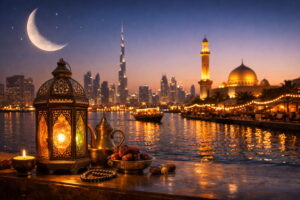
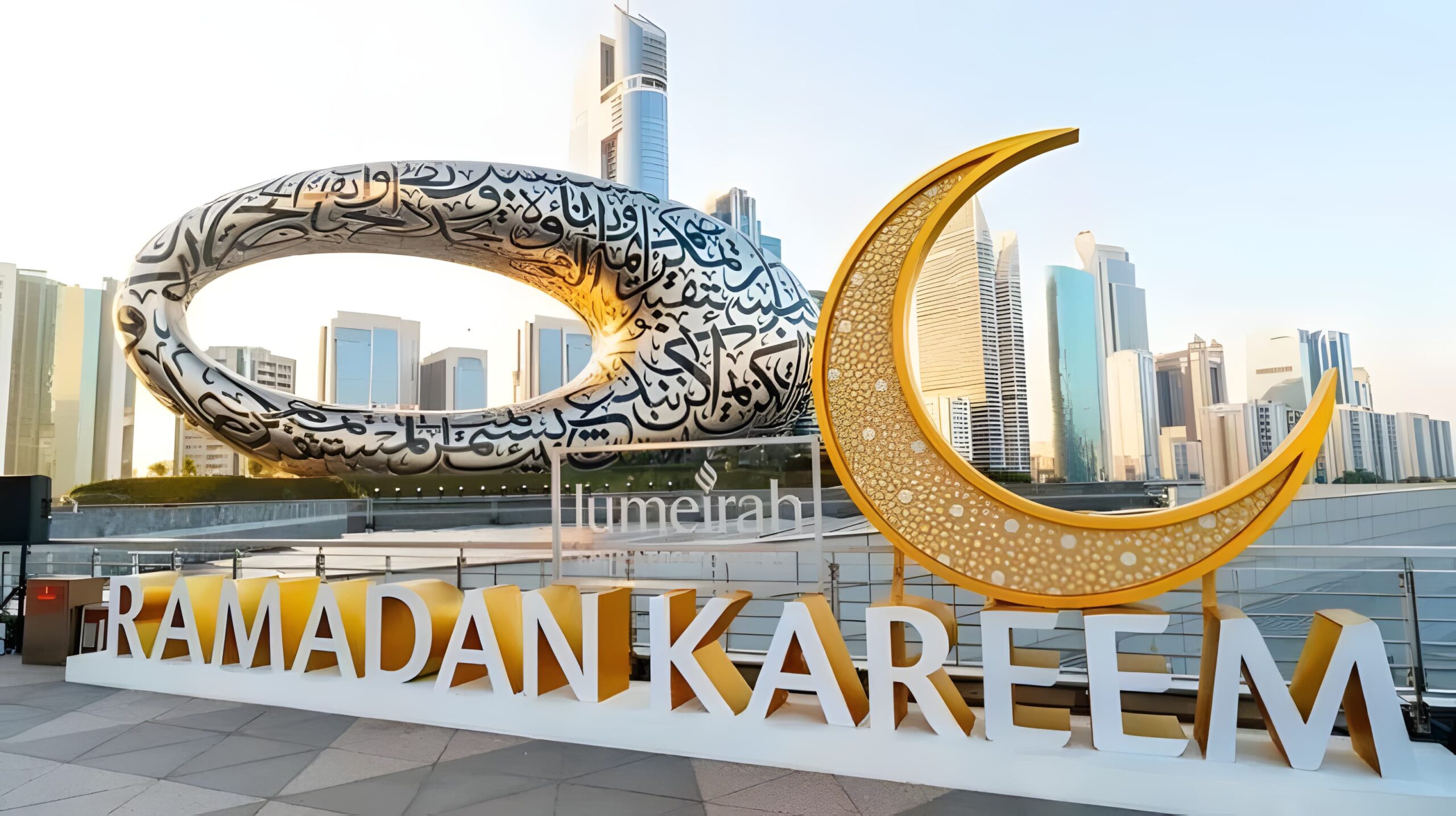
Ramadan is the holiest month in the Islamic calendar, marked by fasting, prayer, and community spirit. In 2026, Dubai will transform into a hub of spiritual reflection and cultural heritage. Whether you are a resident or a tourist visiting the UAE, navigating the Ramadan rules in Dubai is essential to ensure a respectful and enriching experience.
Understanding the local Dubai Ramadan etiquette helps visitors blend in while honoring the city’s deep-rooted traditions.
Understanding the Spirit of Ramadan in Dubai
Ramadan is the ninth month of the Islamic calendar, observed by Muslims worldwide through fasting from sunrise (Fajr) to sunset (Maghrib).
-
Fasting (Sawm): Abstaining from food, drink (including water), and smoking during daylight hours.
-
Iftar: The evening meal to break the fast at sunset, often celebrated with dates and a heavy feast.
-
Suhoor: The pre-dawn meal consumed before the fasting day begins.
During this month, the city adopts a more peaceful and spiritual pace, focusing on charity (Zakat), patience, and togetherness.
The Essential Do’s During Ramadan in Dubai
1. Respect the Culture and Local Traditions
Always follow the Ramadan rules for tourists in Dubai imposed by the government. Educating yourself on Suhoor and Iftar timings will help you plan your day and avoid being caught in “rush hour” traffic before sunset.
2. Adhere to a Modest Dress Code
Modesty is a core value in the UAE, especially during the Holy Month.
- Men and Women: Should wear loose-fitting clothing that covers the shoulders and knees in all public spaces.
- Avoid: Tight, transparent, or revealing outfits.
3. Use Traditional Ramadan Greetings
Show respect by greeting Muslims with “Ramadan Mubarak” (Blessed Ramadan) or “Ramadan Kareem” (Generous Ramadan).
4. Embrace Iftar and Suhoor Invitations
If invited to an Iftar by Emirati friends or colleagues, it is a wonderful opportunity to experience local hospitality.
- Tip: Never go empty-handed; bringing Arabic desserts, sweets, or a box of dates is highly appreciated.
5. Support Charitable Initiatives
Ramadan is a time of giving. You will find various donation drives and food distribution centers across the city. Participating in these efforts is a great way to engage with the community.
The Critical Don’ts: Avoiding Cultural Missteps
1. Eating or Drinking in Public
Eating, drinking, or smoking in public during fasting hours is prohibited and can be considered a serious offense.
- Exception: Non-fasters can eat in designated screened-off areas in malls or hotels, or in the privacy of their homes/cars (if not visible to others).
- Chewing Gum: This is also not allowed in public as it is seen as eating.
2. Public Displays of Affection (PDA)
Dubai generally discourages PDA, but it is strictly frowned upon during Ramadan. Avoid hugging or kissing in public to maintain a respectful environment.
3. Playing Loud Music
Playing loud music in cars or public spaces is prohibited. Ramadan is a time for quiet reflection; if you must listen to music, use headphones or keep the volume low enough that it isn’t heard by others.
4. Unauthorized Photography
In Dubai, photographing people—especially women and families—without their explicit permission is a serious offense. Always ask before taking pictures of locals or cultural sites.
5. Reckless Driving Before Iftar
The roads become very busy just before sunset as people rush home to break their fast. It is advised for non-fasters to stay off the roads or drive with extreme caution during this time.
Important Changes to Daily Life in 2026
- Reduced Work Hours: Both private and public sector employees usually get a 2-hour reduction in their workday.
- Shopping & Nightlife: Malls often extend their hours until 1:00 AM or 2:00 AM on weekends. Most clubs will be closed, and bars may only serve alcohol after sunset.
- Public Beaches: Swimming and wearing bikinis are still allowed at hotel pools and public beaches, but modesty should be maintained when leaving these areas.
Frequently Asked Questions (FAQs)
Q: Can non-Muslims eat at work?
A: Yes, companies usually provide a closed room or designated area for non-fasting employees to eat out of sight of those fasting.
Q: Are children required to fast?
A: No, children are exempt and are allowed to eat and drink in public during the day.
Q: What should I do if I see someone feeling weak due to fasting?
A: Offer them food or water (their fast will be considered broken for health reasons) and notify an ambulance if necessary.
Conclusion
Observing Ramadan in UAE is a deeply moving experience that offers a glimpse into the heart of Islamic culture. By following these simple Do’s and Don’ts, you can ensure a harmonious stay in Dubai while showing respect to those observing the holy month.