
Ramadan Dates Are Set to Shift, With a Rare Double Ramadan Expected in 2030
The Islamic calendar is set to produce some notable shifts in the coming years, with Ramadan 2026 expected to begin in February and a rare phenomenon approaching later in the decade — two Ramadans occurring within a single Gregorian year. These changes are the result of the lunar-based Islamic calendar, which moves approximately 10 to...
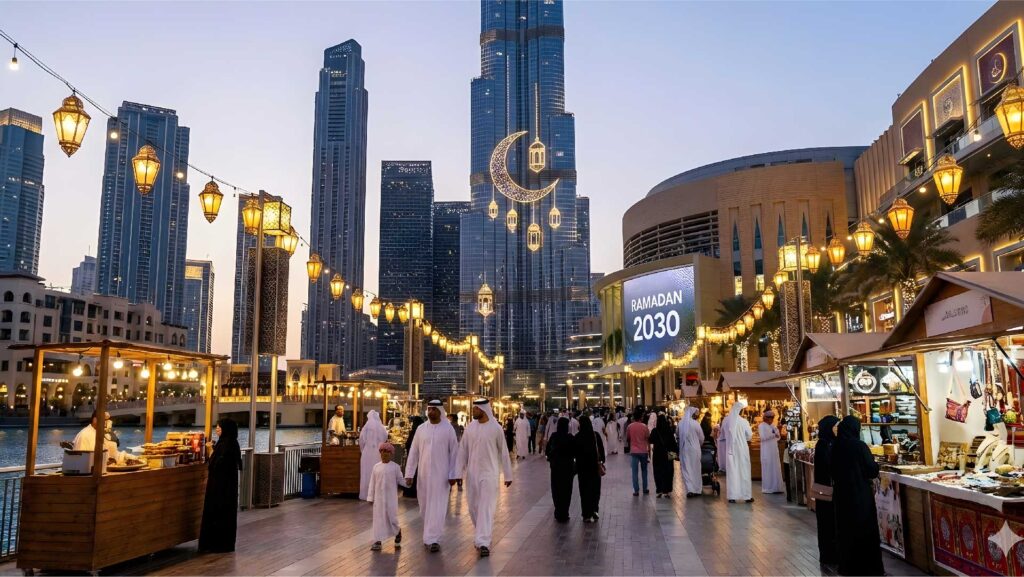
The Islamic calendar is set to produce some notable shifts in the coming years, with Ramadan 2026 expected to begin in February and a rare phenomenon approaching later in the decade — two Ramadans occurring within a single Gregorian year.
These changes are the result of the lunar-based Islamic calendar, which moves approximately 10 to 11 days earlier each year compared to the Gregorian calendar.
Ramadan 2026 in the UAE
Based on current astronomical projections, Ramadan in the UAE is expected to begin around February 19, 2026, subject to the official moon sighting. Some predictions suggest the holy month could begin as early as February 17 or 18, depending on lunar visibility.
If these projections hold, Eid al-Fitr is likely to fall around March 20, 2026. As with all Islamic observances, final dates will be confirmed by the UAE’s official moon-sighting authorities.
The earlier start places Ramadan firmly within the winter season, which may influence fasting hours, work schedules and cultural programming across the country.
A Rare Calendar Event in 2030
Looking further ahead, the UAE — along with the rest of the Muslim world — is expected to experience an unusual calendar occurrence in 2030, when two separate Ramadans fall within the same Gregorian year.
Current projections indicate:
- First Ramadan: Around January 4–5, 2030
- Second Ramadan: Around December 26, 2030
This rare alignment happens when the lunar calendar cycles in such a way that Ramadan begins early in January and again late in December, creating two distinct observances within one calendar year.
Cultural and Social Significance
Such calendar shifts carry cultural, social and logistical implications. From religious observance and community programming to public holidays and seasonal planning, the timing of Ramadan influences daily life across the UAE.
While the phenomenon of two Ramadans in one year is uncommon, it serves as a reminder of the unique relationship between lunar timekeeping and cultural tradition in the Islamic world.
The Bigger Picture
As Ramadan continues its gradual shift through the Gregorian calendar, residents and institutions alike are adapting to new seasonal contexts for fasting, prayer and communal life. The anticipated double Ramadan in 2030 stands as a rare but meaningful moment — one that highlights the dynamic nature of time, tradition and cultural rhythm.


More from Arts & Culture
 Arts & Culture
Emirati Women’s Day 2026: Complete Guide to UAE Offers & Events
Emirati Women’s Day takes place annually on the 28th of August, officially marking the historic anniversary…
 Arts & Culture
Ramadan in Dubai 2026 Events: Your Complete Guide to the Holy Month
The whole city is poised to be expertly transformed into a magnificent tapestry of brilliant light,…