
UAE School Holidays Confirmed Until 2029: Complete Academic Calendar
As schools all across the United Arab Emirates actively prepare to successfully complete the current academic year, eager pupils, dedicated parents, and hardworking educators are already looking forward to an extended and well-deserved summer holiday. To make future scheduling significantly easier for everyone involved, the UAE Ministry of Education has officially announced the complete academic...
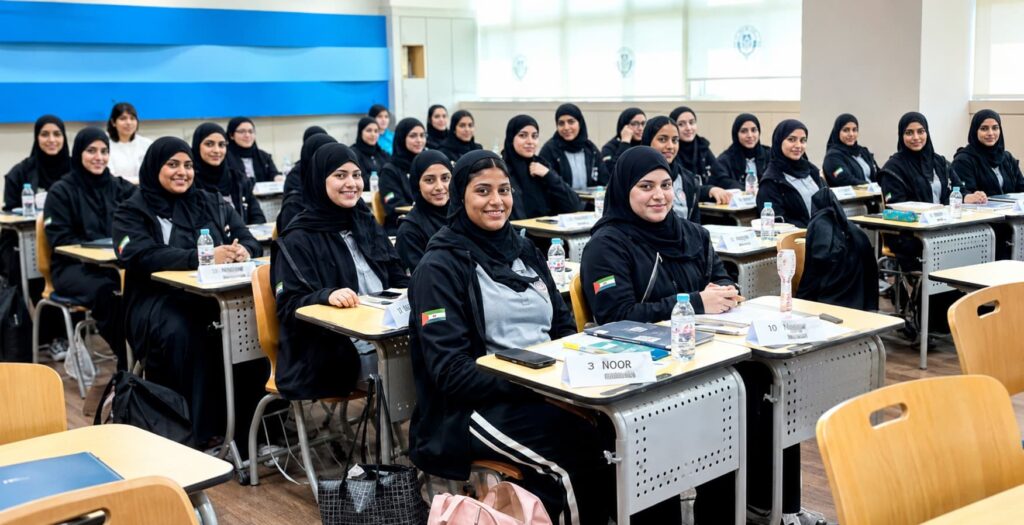
As schools all across the United Arab Emirates actively prepare to successfully complete the current academic year, eager pupils, dedicated parents, and hardworking educators are already looking forward to an extended and well-deserved summer holiday. To make future scheduling significantly easier for everyone involved, the UAE Ministry of Education has officially announced the complete academic calendar for the next three consecutive school years. This massive announcement successfully enables families, teaching staff, and school administrations to perfectly plan their long-term vacations and academic goals well in advance.
The newly approved calendar carefully covers the 2026-2027, 2027-2028, and 2028-2029 academic years. This strategic move forms a vital part of the Ministry’s ongoing commitment to building a highly stable and sustainable education system across the nation. The government aims to perfectly balance essential instructional time with high-quality learning, carefully taking various educational and social considerations into account to continuously support and improve student outcomes.
Why the Ministry Introduced a Three-Year Calendar
According to official statements from the Ministry of Education, shifting away from annual announcements and successfully introducing a long-term, three-year academic calendar will bring several major benefits to the entire education sector. This advanced planning framework is specifically designed to:
- Significantly strengthen system-wide readiness across all educational institutions.
- Greatly improve financial and administrative resource management.
- Enable all schools to plan their core academic and extracurricular programmes well in advance.
- Actively support and improve overall student learning outcomes.
- Reinforce the crucial role that schools play in successfully preparing future generations.

The Official 2026-2027 Academic Calendar
For the very first year of the newly announced timeline, families can expect the following official schedule. The 2026-2027 academic year for students is officially set to begin on August 31, 2026.
| Key Event | Official Dates |
| Academic Year Begins | August 31, 2026 |
| First Semester Mid-Term Break | October 12 – 18, 2026 |
| Schools Resume | October 19, 2026 |
| Winter Break | December 14, 2026 – January 3, 2027 |
| Schools Resume | January 4, 2027 |
| Spring Break | April 5 – 11, 2027 |
| Schools Resume | April 12, 2027 |
| Academic Year Ends | July 2, 2027 |
The Official 2027-2028 Academic Calendar
Moving into the second year of the newly released framework, the 2027-2028 academic year will officially commence on August 30, 2027.
| Key Event | Official Dates |
| Academic Year Begins | August 30, 2027 |
| First Semester Mid-Term Break | October 11 – 17, 2027 |
| Schools Resume | October 18, 2027 |
| Winter Break | December 13, 2027 – January 2, 2028 |
| Schools Resume | January 3, 2028 |
| Spring Break | March 27 – April 2, 2028 |
| Schools Resume | April 3, 2028 |
| Academic Year Ends | June 30, 2028 |
The Official 2028-2029 Academic Calendar
For the final year covered by this major government announcement, the 2028-2029 academic year is officially scheduled to begin on August 28, 2028.
| Key Event | Official Dates |
| Academic Year Begins | August 28, 2028 |
| First Semester Mid-Term Break | October 16 – 22, 2028 |
| Schools Resume | October 23, 2028 |
| Winter Break | December 11, 2028 – January 1, 2029 |
| Schools Resume | January 2, 2029 |
| Spring Break | March 29 – April 1, 2029 |
| Schools Resume | April 2, 2029 |
| Academic Year Ends | June 29, 2029 |
Which Schools Does This Official Calendar Apply To?
The Ministry of Education has clearly stated that all public and private schools across the UAE must strictly adhere to the official first-semester mid-term break as specifically outlined in the approved academic calendar. However, the government has built some flexibility into the system. Local education authorities may officially allow private schools under their direct jurisdiction that do not follow the standard Ministry of Education curriculum to divide the first-semester break between October and February. This is permitted provided that the total combined break does not exceed five school days, and the arrangement perfectly aligns with the school’s operational requirements.
This specific flexibility applies to relevant private schools right across the UAE, with one major exception: private schools located in Sharjah will continue to operate under that specific emirate’s established regulatory framework. Furthermore, the Ministry also officially confirmed that this new academic calendar does not apply to private schools that are currently following alternative regional curricula, specifically including the Indian, Bangladeshi, and Pakistani educational curricula.

Strict Attendance and Final Assessment Rules
To maintain high educational standards, the Ministry emphasized that all applicable schools must strictly follow the approved calendar. This includes holding all final assessments or successfully completing outstanding curriculum requirements during the very final week of each term. This strict rule is designed to ensure that all students actually attend their classes right up until the very last scheduled school day. The only official exception to this strict attendance rule applies to specific grades that are taking pre-scheduled international examinations.
A New Era for the UAE Educational Curriculum
In addition to the massive calendar announcement, the UAE Government also recently announced a brand-new federal decree law focusing entirely on the strict governance of the National Educational Curriculum. This marks the very first time a truly comprehensive legislative framework regulating the design, approval, implementation, and review of the curriculum has been formally established in the UAE.
These new, sweeping rules and regulations will clearly define the core objectives of education, the language and duration of classes, desired graduate attributes, national identity, societal values, targeted competencies, and general educational principles to properly guide the future design and development of the curriculum. Educational institutions are now directly responsible for implementing the curriculum, participating actively in pilot programmes, collecting vital feedback, and submitting their professional observations back to the Ministry. Ultimately, local education authorities remain fully responsible for closely monitoring the implementation of this curriculum across all compulsory private schools within their respective jurisdictions, meaning parents and students should expect to see exciting changes to lesson plans in the very near future.


More from Education
 Education
Dubai Golden Visa for Teachers 2026: How to Apply
Dubai is offering 10-year Golden Visas to exceptional teachers and education professionals working in private schools,…
 Education
Gulf Medical University Ranked #1 in the World for International Outlook
The Ajman based medical university scored 99.4 in the Times Higher Education World University Rankings 2027,…
 Education
KHDA Introduces New AI Framework for Dubai Schools
The educational landscape of the United Arab Emirates is preparing for a monumental technological evolution as…