
Dubai Airport Banned Items: Your Essential 2026 Packing Guide
Dubai airport banned items are now laid out in one place. Dubai Airports has shared a “Know before you go” guide for anyone flying through Dubai International Airport (DXB), covering goods you can’t bring into the UAE, duty-free allowances, what you must declare at customs, what’s not allowed in your bags when you leave, and...
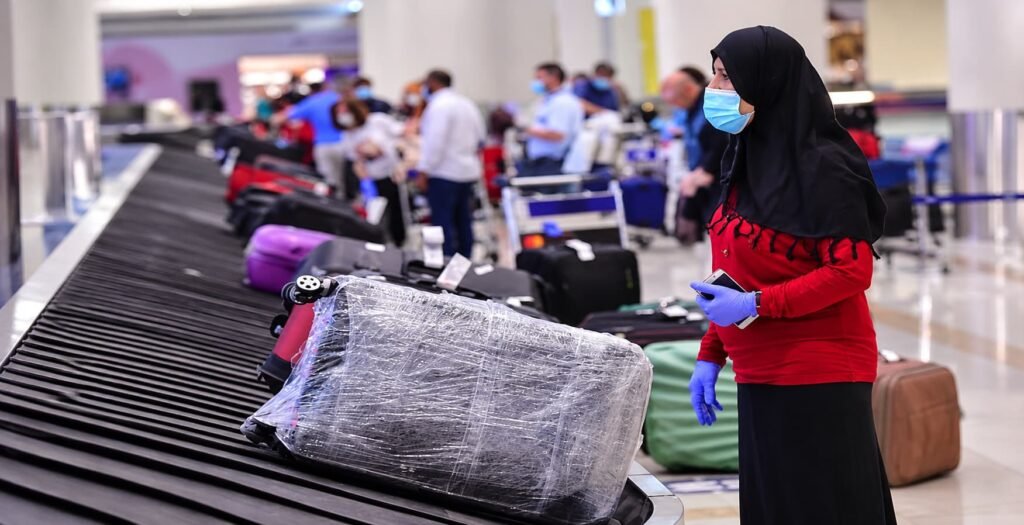
Dubai airport banned items are now laid out in one place. Dubai Airports has shared a “Know before you go” guide for anyone flying through Dubai International Airport (DXB), covering goods you can’t bring into the UAE, duty-free allowances, what you must declare at customs, what’s not allowed in your bags when you leave, and strict rules on power banks and lithium batteries. The airport stresses that its lists are guidance only and not exhaustive.
Most of it is common sense, but a few rules catch people out every day, from paan in a suitcase to a power bank in checked luggage. A two-minute check before you pack can save a long conversation at the customs desk.
Landing in Dubai: What Can’t Come With You
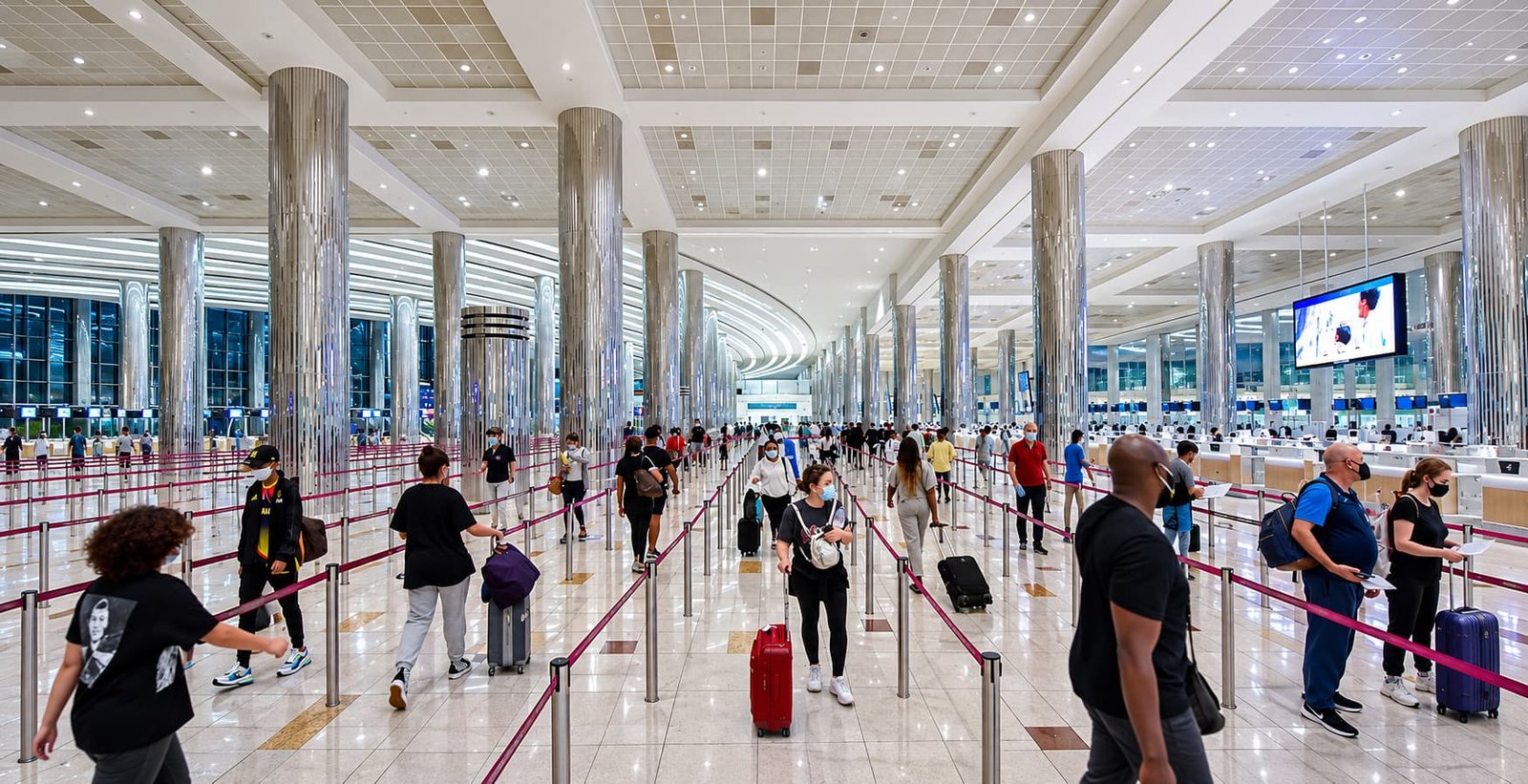
Customs rules at DXB are enforced by Dubai Customs and follow UAE law and the GCC Common Customs Law. Some goods are banned outright, while others are fine as long as you’ve sorted the right permit before you fly.
Banned from entering the UAE
- Narcotics of any kind
- Counterfeit goods and fake currency
- Gambling tools, machines and devices
- Nylon fishing nets
- Used, reconditioned or inlaid tyres
- Anything contaminated by radiation or nuclear fallout
- Items that go against Islamic faith or public morals
- Nasvaar and betel leaves (paan)
Any other goods banned under UAE or GCC law are also off limits.
Allowed, but only with approval
These categories need a green light from the relevant authority, obtained before you land:
- Pets, plants and seedlings: Ministry of Climate Change and Environment
- Medicines and medical equipment: Emirates Drugs Establishment
- Print, audio-visual and filming equipment: National Media Authority
- Food products and cosmetics for exhibitions: Dubai Municipality
- Drones: Dubai Civil Aviation Authority
- Electronic devices: Security Industry Regulatory Agency
- Wireless devices: TDRA
Two more rules are worth knowing: you can’t bring in food or consumer goods in commercial quantities under your own name, and agricultural seedlings with soil are not allowed at all. The full list sits on Dubai Airports’ arrivals guidance page.
Your Duty-Free Allowance on Arrival
You can bring in a certain amount without paying customs duty, as long as it stays within these limits:
| Item | Duty-free limit |
|---|---|
| Gifts | Total value up to Dh3,000 |
| Tobacco products | 400 cigarettes, or 50 cigars, or 500g of tobacco (pipe tobacco, tumbâk or hookah molasses) |
| Alcohol | 4 litres, or 2 cartons of beer (24 cans each, max 355ml per can) |
There are conditions attached. The goods must be for your own use and not in commercial quantities, you can’t be a frequent visitor to the same customs point or someone who trades in those goods, and crew members don’t qualify. Travellers under 18 can’t bring in cigarettes or alcohol at all.
Go over the limits and you’ll pay customs duty on the extra, with VAT possibly on top. Anything in commercial quantities is treated like a regular import, with full customs procedures.
Declare It or Risk It
The biggest one to remember is money. Anyone aged 18 or over, arriving or departing, must declare cash, cheques, promissory notes, payment orders, precious metals or precious stones worth more than Dh60,000, or the same amount in another currency. For children under 18, whatever they’re carrying counts towards the limit of the parent, guardian or adult travelling with them.
You’ll also need to declare:
- Medicines, controlled drugs and certain medical items
- Firearms, weapons, ammunition or explosives
- Drones, satellite phones and other restricted communication devices
- Plants, seeds, insects, meat, live animals, wildlife products or biological materials
- Commercial goods, promotional items or samples
- Gifts worth more than Dh3,000
- Tobacco or alcohol above the duty-free limits
- E-cigarettes and vapes
How to declare
A declaration can be spoken, written or made electronically, and simply walking through the green or red channel counts as one. The easiest route is Dubai Customs’ iDeclare app, which lets you declare goods and valuables before or after you land. Skipping a required declaration can lead to delays, fines or legal action, so if in doubt, declare.
Flying Out of DXB: Packing Rules That Matter
Not allowed anywhere, on you or in any bag
Pepper spray and other disabling sprays, tasers and electroshock weapons, security-style cash boxes or attaché cases fitted with lithium batteries or pyrotechnics, and liquid oxygen systems are all forbidden. So is “smart” luggage with a built-in lithium battery that can’t be removed, if it’s above 0.3g of lithium metal or 2.7Wh.
Power banks and batteries
This is where most travellers slip up. Lithium batteries are a fire risk, so the rules are tight:
- Power banks and spare batteries go in hand luggage only, each protected against short circuits. Lithium-ion batteries are capped at 100Wh and lithium-metal at 2g, with up to 20 spares per person (more needs airline approval).
- Bigger batteries between 100Wh and 160Wh need airline approval, and you can carry a maximum of two spares.
- Up to 15 devices with lithium batteries are allowed per person. Anything in checked baggage must be fully switched off and protected.
- Removable batteries in suitcases must be taken out and carried in the cabin.
- E-cigarettes and vapes belong in hand luggage, with the battery protected from switching on by accident.
Allowed, with limits
One small lighter or one packet of safety matches is fine if you carry it on you, but lighter refills, strike-anywhere matches and blue-flame lighters are not. Toiletries, medicines and aerosols are limited to 2kg or 2 litres in total, with no single item over 0.5kg or 0.5 litres.
Drinks above 24% alcohol, up to 70%, are capped at 5 litres per person in retail packaging. You can also take up to 2.5kg of dry ice for perishables, one gas-powered hair styler with its safety cover on (no spare cartridges), and camping stoves only if the fuel containers are completely empty.
Specialist kit such as medical oxygen, mobility aids or avalanche backpacks comes with extra conditions, set out on the departures and dangerous goods pages.
Breezing Through Security
A little preparation at the checkpoint saves time for you and everyone behind you. Dubai Airports suggests:
- Have your passport and boarding pass ready.
- Put your phone, wallet and keys in a tray.
- Take off belts with metal buckles, plus boots or heeled shoes.
- Place laptops and tablets in a separate tray.
- Keep liquids in containers of 100ml or less, inside a clear, resealable plastic bag.
Medication, baby food and milk, and special dietary items don’t have to follow the 100ml rule. After that, you’ll walk through a metal detector or body scanner, and some passengers are picked for extra checks. More pointers are on the airport’s security tips page.
Bookmark These Before Your Next Trip
Rules on Dubai airport banned items can change, and some approvals depend on the item and the route you’re flying. Before any trip, it’s worth checking with Dubai Airports, Dubai Customs and your airline. These official pages cover almost everything:
- Arrivals: prohibited and restricted items
- Departures: baggage restrictions
- Dangerous goods guide
- Airport security procedures
- Dubai Airports contact information
Pack once, check twice, and your travel day should start at the gate, not at the customs counter.

More from Travel
 Travel
Dubai Student Card Unlocks 150,000+ Amazing Student Perks
The Dubai Student Card puts a student ID, a nol card and an International Student Identity…
 Travel
Nol-Jaywan Card Launches in Dubai With 120+ Exclusive Offers
The nol-Jaywan card is the next version of the card Dubai commuters tap every day, and…
 Travel
5 Ways Emirates is Helping Customers Travel with Confidence in 2026
In an era where global travel plans can change at a moment’s notice, Emirates Airlines is…