
Etihad Rail Freight Supply Chain UAE: Strengthening National Logistics
Etihad Rail Freight Supply Chain UAE is quietly changing how products travel across the Middle East. While news stories throughout the world regularly talk about problems with maritime and aviation cargo, there is a silent revolution happening on the rails in the seven emirates. Etihad Rail Freight, the UAE’s national railway’s specialized logistics branch, has...
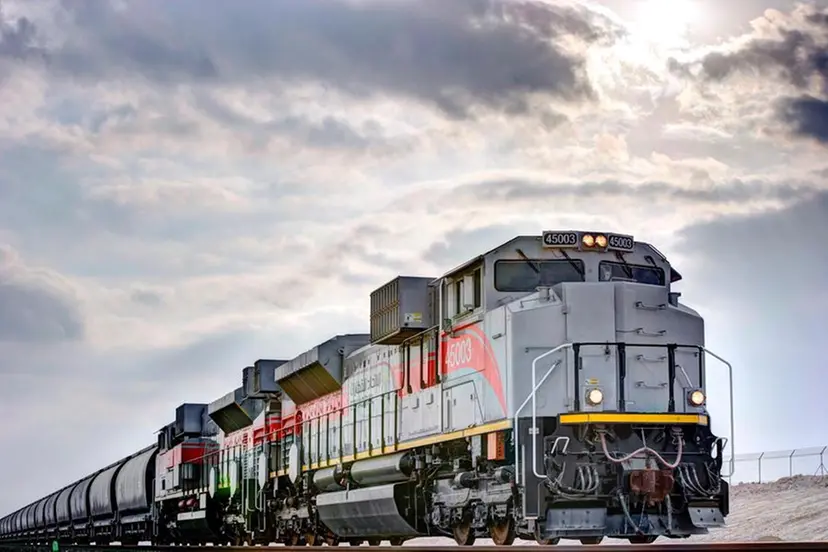
Etihad Rail Freight Supply Chain UAE is quietly changing how products travel across the Middle East. While news stories throughout the world regularly talk about problems with maritime and aviation cargo, there is a silent revolution happening on the rails in the seven emirates. Etihad Rail Freight, the UAE’s national railway’s specialized logistics branch, has become the hidden hero of trade resilience in the region.
The network has been running without a hitch at a time of high regional tension, which is an amazing example of how well it works. Etihad Rail Freight has reached important goals in only nine days that show the railway is no longer simply a “future project.” It is now the backbone of the country’s economy.
The Numbers Behind the 9-Day Impact
- More than 100 freight trips were successfully made throughout the national network.
- 459,000+ tons of cargo moved quickly between ports and industrial areas.
- 7,900 containers were moved to make sure that supplies for stores and businesses get to their destinations on time.
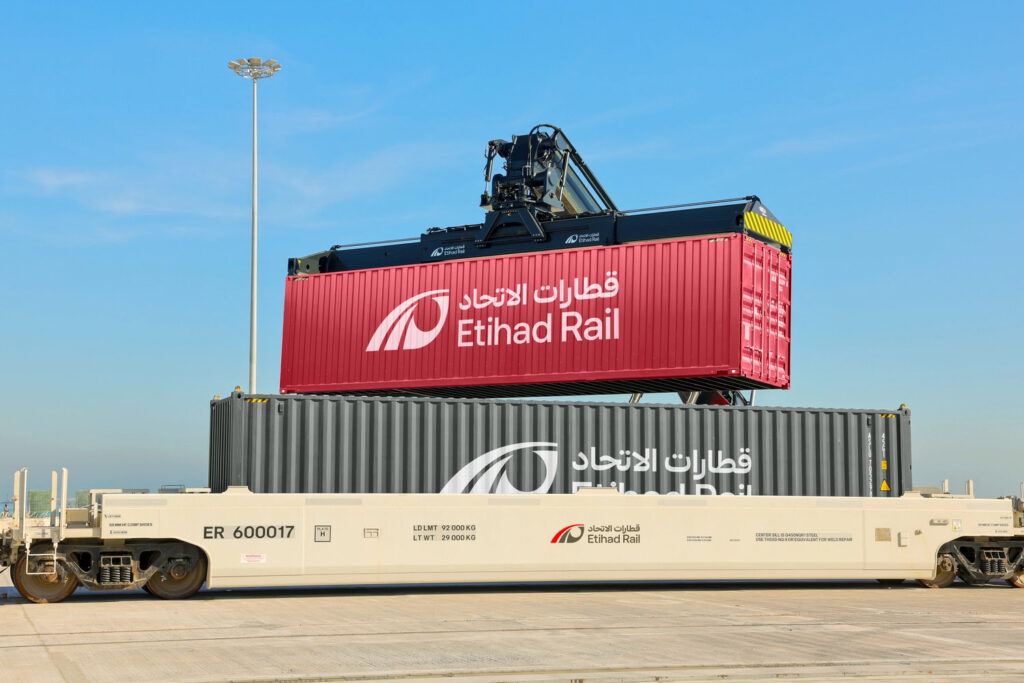
Etihad Rail Freight Supply Chain UAE: The “300-Truck” Benefit
The arithmetic underpinning the Etihad Rail Freight Supply Chain in the UAE is basic yet game-changing. A fully loaded freight train may transport as much as 300 heavy vehicles. This huge change in capacity from road to rail has three important advantages that are important for contemporary logistics.
First, it makes it easier for products to move. The railway cuts down on traffic and road wear by taking thousands of trucks off the E11 and other major roads. Second, it makes transportation cheaper. When it comes to bulk and containerized products, rail transport is far cheaper than typical long-haul transportation. Last but not least, it strengthens the supply chain by giving you a solid backup when sea or land routes are blocked.
Strategic Response: Adjusting to Conflict in the Region
Etihad Rail has put its backup plans into action to make sure that the UAE remains a “safe harbor” for commerce amid the present regional disruptions. These measures focus on keeping the Etihad Rail Freight Supply Chain UAE running.
Etihad Rail has moved its freight capacity to East Coast ports like Fujairah and Khorfakkan since maritime routes in the Arabian Gulf are having problems. This lets items be unloaded outside of the major danger areas and then carried rapidly inland by train. The UAE’s National Logistics Strategy is known for its strategic flexibility.
Improvements to operations right now:
- Activated Rail Corridors: New routes have been opened up to avoid any delays.
- Expansion of the Al Ghail Dry Port: To meet the higher demand, the terminal in Ras Al Khaimah now has five more train services.
- Bonded Transit: Working with the Federal Authority for Identity, Citizenship, Customs, and Port Security to make sure that “green corridor” movements happen.
The Future: After the Current Crisis
The present rise in rail use is a sign of a big change that will happen over time. By the end of the decade, the UAE’s national rail network is expected to move 30 million tons of goods per year.
What will happen next with Etihad Rail?
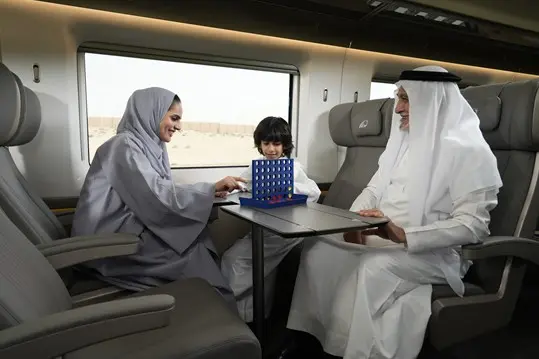
- Passenger Launch (2026): Right now, the emphasis is on freight, but in 2026, passenger services will start, making the trip from Dubai to Abu Dhabi only 57 minutes long.
- Job Creation: By 2030, the network is estimated to provide more than 9,000 jobs in engineering, logistics, and technology.
- GCC Connectivity: The railway is the first stage in connecting the UAE to a larger rail network throughout the Gulf. This will make it easier for goods to move between Oman and Kuwait.
A Strategic Upgrade for the Country
The Etihad Rail Freight Supply Chain UAE shows that the country’s logistics plan is ready for more than simply “business as usual.” The railway is keeping the country’s supply lines going when they are needed most by offering a secure, reliable, and long-lasting alternative to road and sea travel. Hundreds of thousands of tonnes are moving, vehicles are leaving the roads, and the UAE’s economy is becoming stronger, one rail journey at a time.


More from Business & Finance
 Business & Finance
LMD Launches 372 Metre Christian A. Rockefeller Business Tower in Dubai
Dubai’s commercial skyline is set for another major addition as LMD launches the Christian A. Rockefeller…
 Business & Finance
1 Billion Followers Summit Returns to Dubai in 2027
The ultimate global convergence of digital creativity and social media influence is officially returning to the…
 Business & Finance
10 Spectacular New Shopping Malls Opening Soon in Dubai
A further ten additional shopping malls are planned to open around Dubai in the next years,…