
Dubai to Build 31 New Pedestrian Bridges by 2030 to Boost Soft Mobility
The United Arab Emirates continues to focus on the mobility, health and safety of its population via creative urban development activities. Dubai’s Roads and Transport Authority (RTA) on Monday presented a comprehensive and ambitious plan to develop 31 new pedestrian bridges and tunnels throughout the emirate’s key traffic networks. This massive infrastructure project, a big...
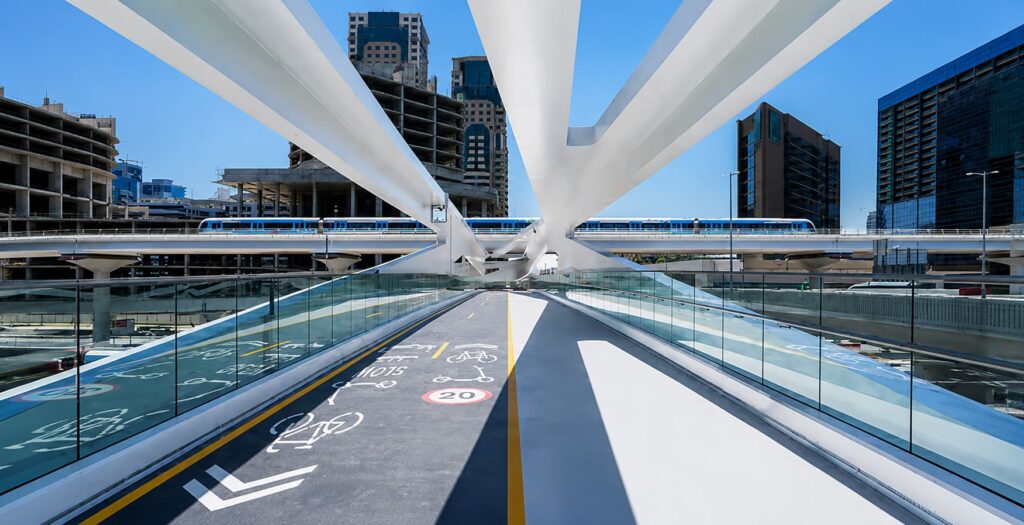
The United Arab Emirates continues to focus on the mobility, health and safety of its population via creative urban development activities. Dubai’s Roads and Transport Authority (RTA) on Monday presented a comprehensive and ambitious plan to develop 31 new pedestrian bridges and tunnels throughout the emirate’s key traffic networks. This massive infrastructure project, a big leap forward in urban planning, is expected to be built between 2026 and 2030. The major aims of this project are to greatly improve road safety, to encourage sustainable mobility (walking and cycling) and to provide simple first and last mile access for residents to a range of public transportation hubs around the city.
Deep Integrated Pathway Networks Development
With the city’s ongoing expansion of residential and commercial zones, the need for continuous, safe and accessible pedestrian paths has never been stronger. “The new pedestrian bridges will create a highly linked network of pathways,” said Mattar Al Tayer, Director General of the RTA and Chairman of the Board of Executive Directors. This large network was designed specifically to provide easy access between quiet residential neighborhoods and bustling commercial districts, important tourist destinations and major transit hubs. Dubai is investing heavily in sustainable soft transport options to aggressively change its urban landscape to prioritize the convenience and well-being of its cyclists and walkers.
The impressive growth of Dubai’s existing pedestrian infrastructure is the best indicator of the need for, and scale of, this imminent expansion. Over the last 20 years, the Roads and Transport Authority has been very committed to the safety of pedestrians. By the end of 2025, the city will be dotted with a stunning 178 pedestrian bridges and underpasses, up from just 26 in 2006. “The pedestrian infrastructure has increased a staggering 585 percent. “Along with the 31 planned crossings by 2030, Dubai is cementing its status as a world-class smart city that puts accessible, secure urban transportation at the forefront.
Significant Drop in Pedestrian Deaths
One of the most noteworthy outcomes of this continued investment in pedestrian infrastructure has been the massive improvement in overall traffic safety. The latest official numbers from the RTA showed that the emirate has seen a stunning 98 per cent drop in pedestrian mortality over the previous 18 years. In 2007 there were a staggering 9.5 pedestrian deaths per 100,000 persons. In 2025 the number has plummeted to a historic low of only 0.22 deaths per 100,000 people. This huge drop is directly attributed to the development of safe, visible and well-located crossing sites which entirely isolate pedestrians from the fast-moving motor traffic.
Cycling and Walking Culture Expands
Along with the massive developments in public safety, physical mobility and fitness are gaining popularity in Dubai. The RTA says that daily physical mobility in the emirate has seen a significant increase. The total amount of pedestrian walking trips has grown dramatically from 307 million trips in 2023 to over 326 million walking trips per year in 2025. “Similarly, Dubai’s bicycle culture has also been growing exponentially. In fact, the number of dedicated bicycle excursions jumped by a remarkable 23 percent, from 46.6 million trips in 2024 to 57.3 million travels in 2025. The surge in active mobility and the 88% popular support for the city’s current pedestrian infrastructure show that residents are embracing healthier lifestyles.
Important Places for Future Connection
The additional crossings, expected to be erected between 2026 and 2030, will be located in highly crucial regions identified by rigorous urban studies. These detailed assessments evaluated key elements such as the population density of the local area, the commercial use of property, proximity to prominent tourist attractions, and access to nearby public transit. New bridges will be built on major roads such Sheikh Zayed Road, King Salman bin Abdulaziz Al Saud Street, Al Ittihad Road and Omar bin Al Khattab Street. Each new bridge is carefully designed and provides a valuable function in demand for the local community, considerably facilitating ordinary trips.
Recently the RTA has also constructed a number of large pedestrian and bicycle bridges to help satisfy this growing demand. Two of the most stunning and technologically advanced skyscrapers have been developed on Sheikh Zayed Road and Al Khail Road. The daring 528-meter-long Sheikh Zayed Road bridge was designed with an architectural style that expresses ideals of continuity and global connectivity. The 501-metre crossing on Al Khail Road has also creative architectural designs representing dynamic movement and natural sunlight. These bridges with dedicated, separate lanes for bikers, e-scooters and pedestrians safely link large communities such Al Sufouh, Dubai Internet City, Barsha Heights, Al Barsha and Dubai Hills. A new bridge has also been successfully erected in the Al Quoz Creative Zone on Al Manara Street to strengthen the linkages between the local districts further.
Major projects under construction now
The RTA will soon be constructing three giant pedestrian bridges that will revolutionise urban connectivity. A large 730m bridge over the busy Dubai-Al Ain Road will link Liwan in Wadi Al Safa 4 to Nad Hessa in Dubai Silicon Oasis effortlessly. Another major project at the intersection of Tunis Street and Al Nahda on Sheikh Mohammed bin Zayed Road links Muhaisnah 1 with Al Twar and provides direct access to Al Mamzar Beach. Another bridge on Al Sukook Street, which is a key component of the Al Mustaqbal Street Development Project, is also under construction and is expected to be completed in the first quarter of 2027.
Building a Greener & Safer Future for Dubai
In the end, constructing these 31 new pedestrian bridges by 2030 is a vital aspect of Dubai’s overarching Traffic Safety Strategy, and is much more than an infrastructure upgrade. The leadership is aiming to accomplish its ultimate goal of zero traffic fatalities by developing inviting, secure and accessible pathways above the main roads in the emirate. This ambitious master plan not only strengthens Dubai’s prestigious status as one of the safest and most advanced cities in the world for cars, but also assures that future generations will live in a healthier, greener and more connected environment.


More from Government & Politics
 Government & Politics
Dubai Sets New Outdoor Ad Rules: What Brands Must Know
Dubai Municipality has introduced new outdoor advertising guidelines across the emirate, establishing unified standards for brands,…
 Government & Politics
UAE Unused Leave 2026: Can You Cash Out or Carry It?
Private sector employees in the UAE who have unused annual leave in 2026 may be able…
 Government & Politics
UAE Pension Boost: Who Can Buy Extra Service Years?
The UAE’s General Pension and Social Security Authority (GPSSA) has announced that eligible Emirati employees can…