
AI Traffic Signals in Dubai: Huge Upgrade to Cut Jams by 10%
AI traffic signals in Dubai are on the way. The Roads and Transport Authority (RTA) is linking every traffic signal in the emirate to its traffic control centre in Al Barsha, with the work due to finish by early 2027. Once connected, artificial intelligence will adjust signal timings in real time, predict jams before they...
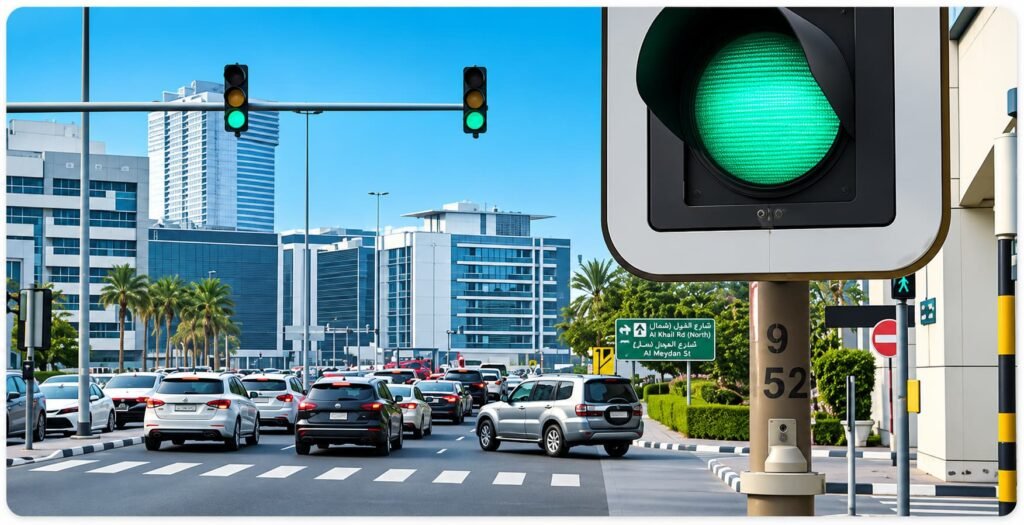
AI traffic signals in Dubai are on the way. The Roads and Transport Authority (RTA) is linking every traffic signal in the emirate to its traffic control centre in Al Barsha, with the work due to finish by early 2027. Once connected, artificial intelligence will adjust signal timings in real time, predict jams before they build up and is expected to cut congestion at signals by at least 10%.
For anyone who has sat at a red light on an empty road, or crawled through a packed junction at rush hour, this could make a real difference to the daily drive.
The signals are just one part of a much bigger AI plan at the RTA. Here’s what’s changing.
Signals That Think on Their Feet
The new system won’t need a fresh network of cameras. Instead, AI will work with the cameras and traffic systems already on Dubai’s roads, analysing how vehicles are moving and spotting where congestion is likely to form.
Based on that data, the timing of each signal will shift with the traffic. Busy approaches can get more green time, while quieter ones won’t hold drivers up for no reason.
Ahmed Hashem Bahrozyan, CEO of the RTA’s Corporate Technology Support Services Sector, said on Noor Dubai Radio that the change will let signal timings respond far more dynamically than they do today.
Al Barsha: The Control Room Behind Dubai’s Roads
All of this will be run from the RTA’s traffic control centre in Al Barsha, officially the Dubai Intelligent Traffic Systems Centre, which opened in 2020. The centre already oversees traffic across the emirate and works in constant coordination with Dubai Police.
Connecting every signal to this one hub is what makes city-wide AI control possible, and that connection work is under way now.
What Drivers Can Expect
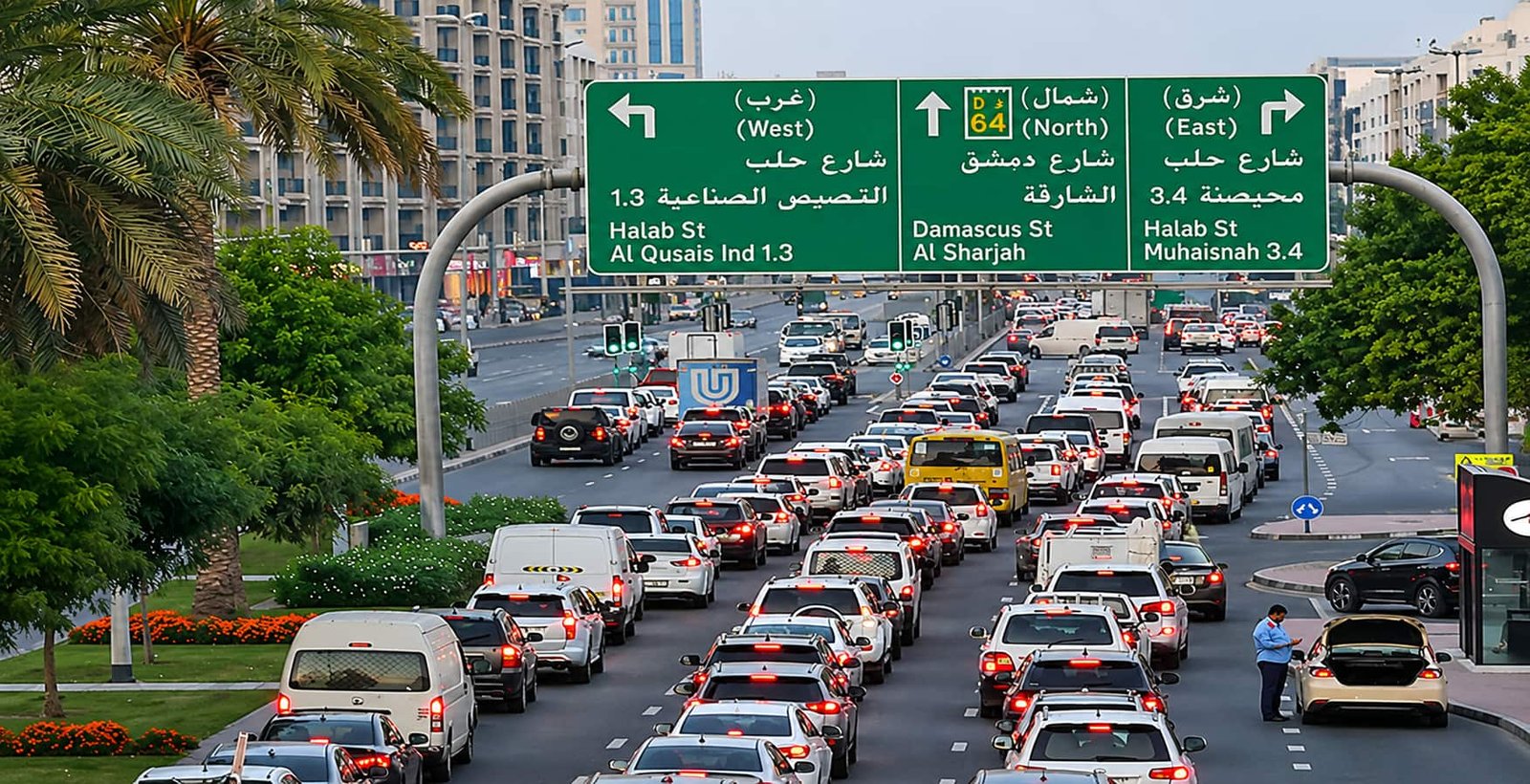
The RTA expects at least a 10% drop in congestion at traffic signals. That’s on top of the gains from other road and transport projects already in the pipeline, so the overall effect on journey times could be even bigger.
Part of a Bigger RTA AI Push Across 41 Areas
Smart signals are a key piece of the RTA’s updated AI strategy, which spans 41 areas across the authority. These range from public-facing services to back-office work like contracts, procurement, finance and human resources.
The RTA wants AI built deeply into all 41 areas within two and a half years. The rollout is split into six phases: the first two are already under way, and the remaining four are due over the next two years.
Because AI is moving so fast, the strategy doesn’t sit on a shelf. The RTA reviews it every six months to a year at most, so it can keep up with new technology.
Public Transport Is a Priority Too
The authority has picked its focus areas by balancing better public services with greater internal efficiency. Transport planning sits high on that list, covering buses, marine transport, the Dubai Metro and other forms of mass transit.
Paying Fines and Renewing Licences with an AI Assistant
One of the changes residents will notice most is how they deal with the RTA. Instead of clicking through separate online forms, customers will be able to chat with AI-powered assistants to get things done.
That includes some of the most common tasks:
- Paying traffic fines
- Renewing vehicle registration
- Renewing a driving licence
- Other frequently used RTA services
The RTA plans to move more than half of its operations and services onto this AI assistant setup within the next two years.
Keeping Watch Over Dh150 Billion in Infrastructure
The RTA looks after roads, bridges, metro lines and other assets worth more than Dh150 billion, and that number keeps growing. New mega projects like the Dubai Metro Blue Line, along with fresh road and infrastructure works, add to the list every year.
According to Bahrozyan, relying only on staff and inspectors to monitor all of this will get harder as the network expands. AI-powered asset management will let the RTA watch up to five times more of its assets than it can today, helping it spot problems early and keep everything in better shape.
The RTA’s AI Plan in Numbers
Here are the key figures from the RTA’s announcement, all in one place.
| What | Figure |
|---|---|
| Expected cut in congestion at signals | At least 10% |
| All signals linked to Al Barsha centre | By early 2027 |
| Areas covered by the AI strategy | 41 |
| Rollout phases | 6 (first 2 under way) |
| Time to fully integrate AI | Two and a half years |
| Services moving to AI assistants | More than 50% within two years |
| Value of RTA assets | More than Dh150 billion |
| Boost in asset monitoring coverage | Up to 5 times |
| Expected added value each year | More than Dh300 million |
Where Dubai’s Roads Are Heading Next
AI traffic signals in Dubai are the most visible part of a plan that reaches into almost everything the RTA does, from the junction you cross each morning to the way you renew your licence. The authority expects the full strategy to add more than Dh300 million in value every year through better services and smoother operations.
If the targets are met, early 2027 could bring shorter waits at red lights and fewer queues at busy junctions. We’ll keep tracking the rollout here on The Next Dubai as more details emerge.


More from Tech & Innovation
 Tech & Innovation
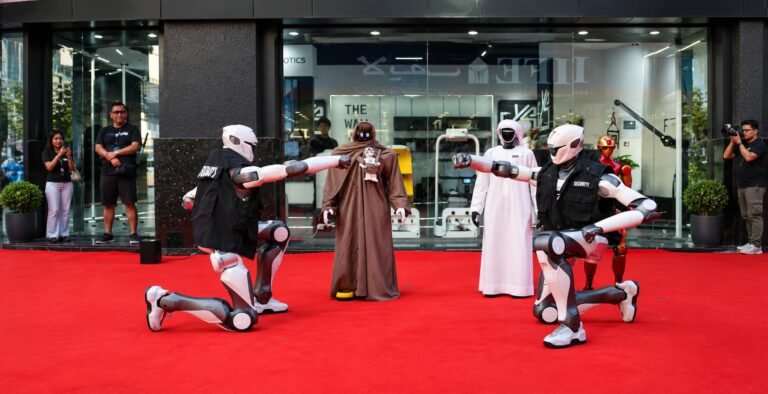
Humanoid Robots in Dubai: Inside the Stunning 1st Showroom
Humanoid robots in Dubai now have a home of their own. YS Lootah Robotics opened the…
 Tech & Innovation
AI Film Award 2027: Win $1 Million at Dubai Summit
The 1 Billion Followers Summit has officially opened submissions for the AI Film Award 2027, offering…
 Tech & Innovation
Dubai Land Department Launches AI-Powered Property Registration
In September 2026, the commercial and residential real estate industry will make a big technology leap…