
Big Changes Every Resident Needs to Know: Dubai During Ramadan 2026
On Thursday, February 19, 2026, the holy month of Ramadan officially started in Dubai. During this holy period, the city makes a lot of changes to its schedules that have a big impact on the daily lives of both visitors and expatriate residents. Ramadan has affected how the busy city works in the past. For...

On Thursday, February 19, 2026, the holy month of Ramadan officially started in Dubai. During this holy period, the city makes a lot of changes to its schedules that have a big impact on the daily lives of both visitors and expatriate residents. Ramadan has affected how the busy city works in the past. For example, Salik toll timings have been carefully revised, working hours have been cut in half, and private school calendars have been updated.
Also, the Eid Al Fitr 2026 celebrations, which everyone has been looking forward to, might go up to four days, depending on what the official announcements about moon sightings say. To enjoy a seamless and polite urban experience during Ramadan 2026, Dubai residents need to be ready for the following major structural changes.
Salik Toll Schedule during Ramadan
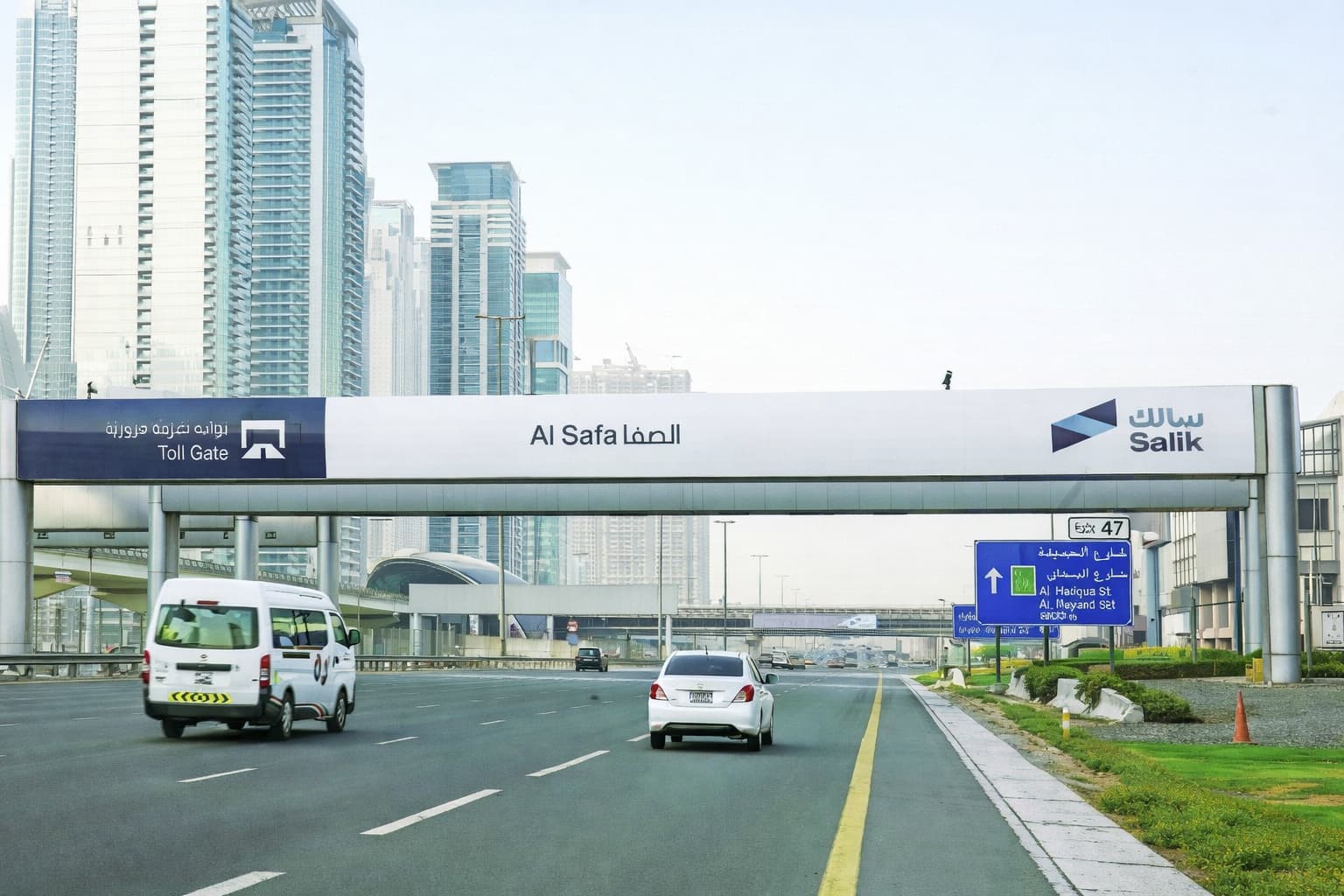
The schedules for Salik tolls have been carefully changed throughout the holy month to match the shorter business hours and the rise in late-night Ramadan activities. These changes are meant to ease heavy traffic during the day while people are fasting, in addition to strongly encouraging more nighttime travel for Iftar, Taraweeh prayers, and Suhoor gatherings.
The new road pricing plan for Ramadan 2026 is flexible:
- Monday through Saturday (Peak): From 9:00 AM to 5:00 PM, it costs AED 6.
- Monday through Saturday (Off-Peak): From 7:00 AM to 9:00 AM and from 5:00 PM to 2:00 AM, AED 4 is charged.
- Sunday (Flat Tariff): From 7:00 AM until 2:00 AM, the price is always AED 4.
- Daily Free Window: Every day from 2:00 AM until 7:00 AM, all roadways are free of tolls.
Rules for Parking and Paid Hours
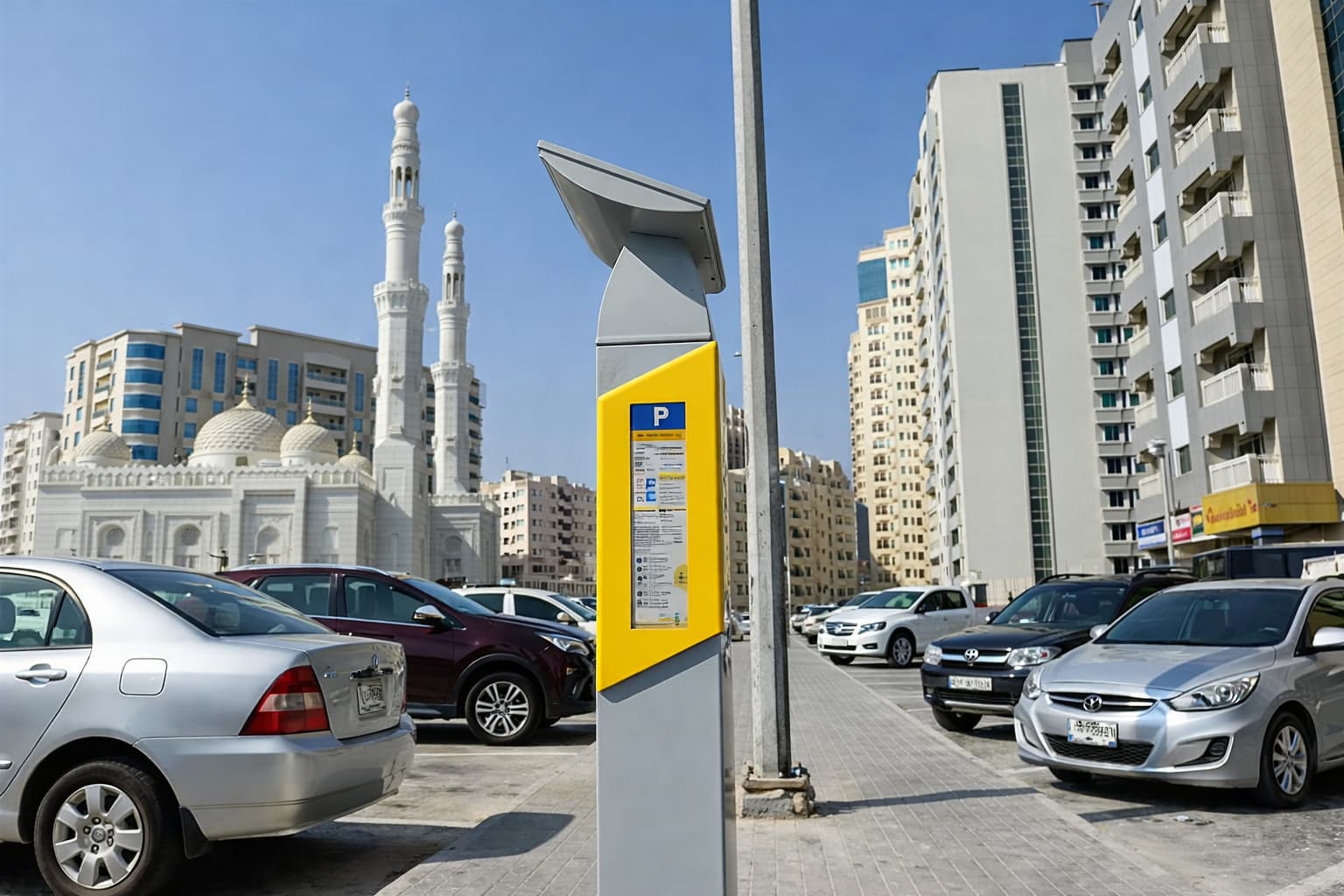
The Roads and Transport Authority (RTA) has officially changed the public parking hours for the whole holy month. This split-shift schedule was developed specifically for late-night social gatherings in the city and to provide them a break during the critical Iftar period.
For public on-street and surface parking zones, the following paid hours are currently in effect:
- Morning Session: 8:00 AM to 6:00 PM, Monday through Saturday.
- Evening Session: 8:00 PM to 12:00 AM, Monday through Saturday.
- Free Iftar Window: Parking is free every day from 6:00 PM to 8:00 PM.
- Sundays: Usual rules for each zone apply, and many places provide free parking.
During the complete month of Ramadan, all of Dubai’s multi-story parking lots are still open and charge for parking 24 hours a day, 7 days a week.
Less Work Hours in All Fields
One of the most essential and well-received initiatives is the necessary reduction in working hours across all professional sectors during Ramadan. This is because Ramadan focuses on employee well-being and spiritual meditation.
- Private Sector: All workers, no matter what religion they are or whether they are fasting, have the right to a mandatory two-hour reduction in their work schedule every day.
- Government Sector: Most federal and local government offices are open from 9:00 AM to 2:30 PM, Monday through Thursday.
- Fridays: Government events usually happen from 9:00 AM to 12:00 PM so that people have time to go to Juma prayers.

School Hours During Ramadan
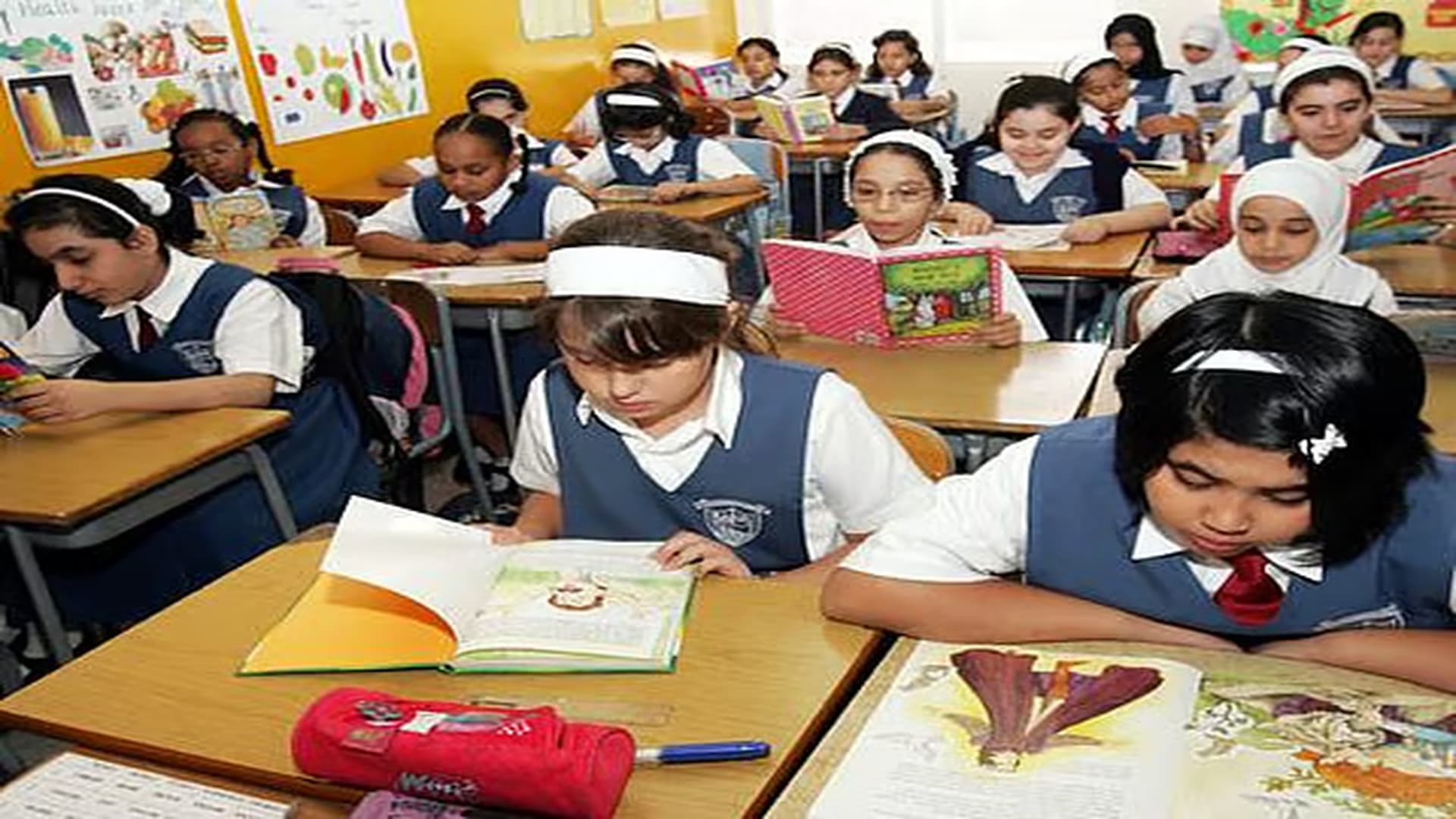
The Knowledge and Human Development Authority (KHDA) has told schools in Dubai to cut down on their academic hours. The goal of these efforts is to keep lessons going while also respecting the health and religious needs of staff and students.
- Daily Duration: A school day can’t include more than five hours of instruction.
- Friday Dismissal: Schools have to shut at 11:30 AM so that people may pray on Friday.
- Physical Education: Students who are fasting do not have to go to hard physical education classes.
Parents are highly encouraged to check with their child’s school right once to find out the exact start and end times, as these guidelines allow for a lot of variation in school hours.
What to Expect During Ramadan
In Dubai, the city’s rhythm shifts in a beautiful and noticeable way. Mornings are quieter, afternoons are slower, and nights are full with social activities and rich cultural traditions.
During the holy month, the city expertly adapts to promote both professional productivity and deep spiritual meditation by carefully adjusting tolls, shortening workdays, and making academic schedules more flexible. This careful balance makes sure that Dubai is a top vacation destination that honors its past while letting its diverse population live modern, productive lives.


More from Government & Politics
 Government & Politics
Dubai Sets New Outdoor Ad Rules: What Brands Must Know
Dubai Municipality has introduced new outdoor advertising guidelines across the emirate, establishing unified standards for brands,…
 Government & Politics
UAE Unused Leave 2026: Can You Cash Out or Carry It?
Private sector employees in the UAE who have unused annual leave in 2026 may be able…
 Government & Politics
UAE Pension Boost: Who Can Buy Extra Service Years?
The UAE’s General Pension and Social Security Authority (GPSSA) has announced that eligible Emirati employees can…